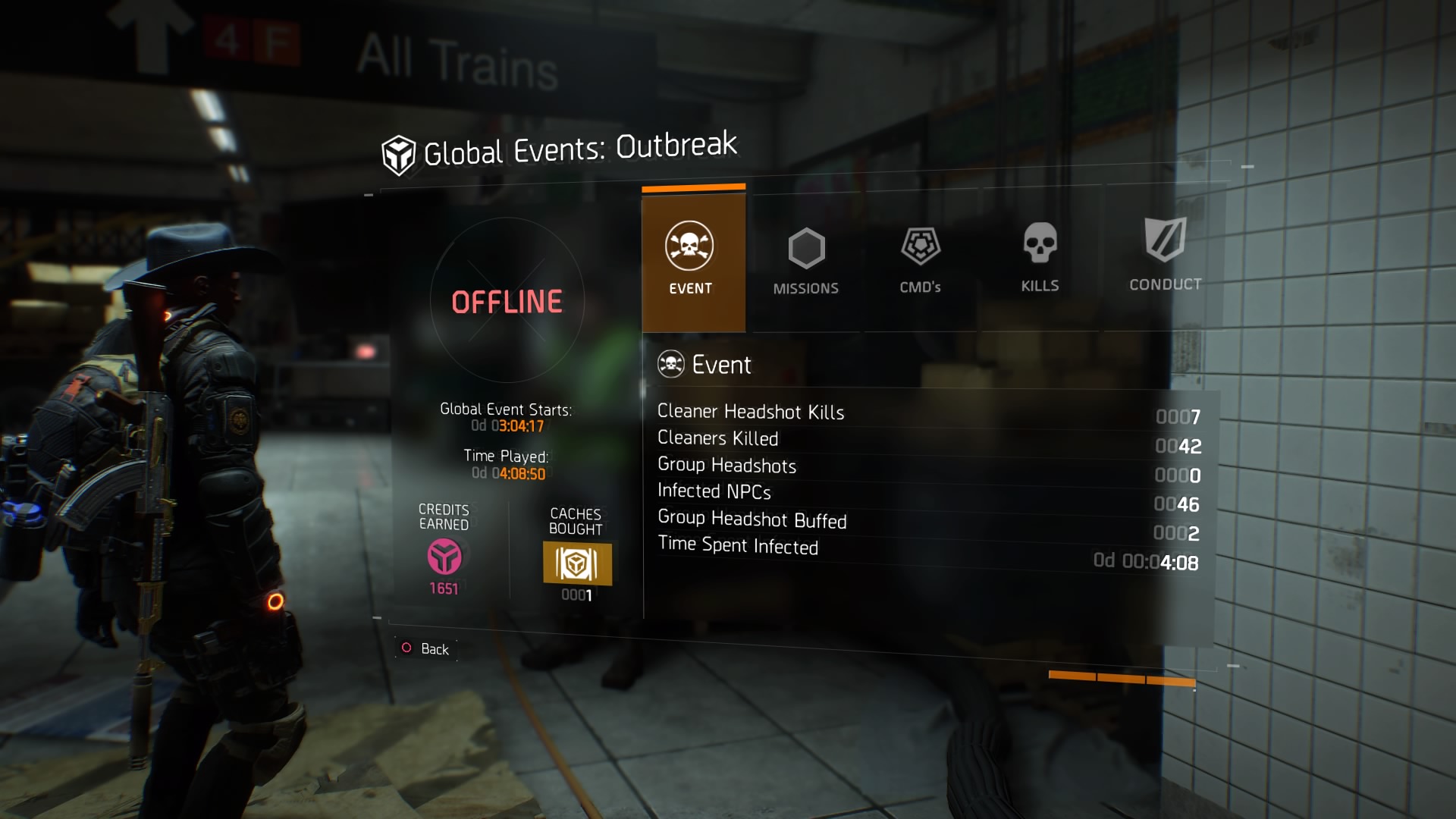
Minimum effort for maximum gain is the basic formula for any investor. Specialist areas like Dark Web, Cryptocurrency and The Division attract mavericks running routines that do just that. At the moment, I’m investing a fair amount of time running easy missions (rinse and repeat cycles) on The Division Global Event to earn points to buy classified gear and it’s paying off nicely.
Tom Clancy’s The Division – rinse and repeat
Cryptocurrency efforts have been thinned by real-life challenges and Dark Web is basically ignored for now. IRL the 90+°F daily heat wave is messing up my balance but I’m still going to focus on a Christmas escape to Florida this year, nuff planning needed.
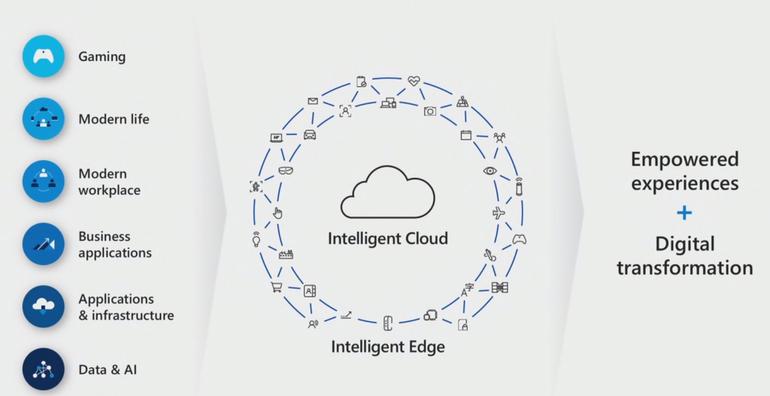
The serious business of Gaming has not gone unnoticed by the global powerhouses like Microsoft. Gaming is one of the six massive investment areas that the tech giant is focusing on and it makes me laugh when individuals jab at my lifelong indulgence on this “not so niche” area of computing.
Source: Microsoft
In the meantime, this weekend I took some time to level up my 3rd character in readiness for the next Global Event in The Division. It’s always fun starting from scratch and it gives me a good excuse to opt-out of real life. I was joined by a few friends along the way and avoided toxic or youth gamers.
Tom Clancy’s The Division – Ready for the Global Event
In a way, I guess we re-invent ourselves in real life to suit the situation and our personal goals all the time.
My love for single player games continues; this skillset is particularly fruitful in a real-life Person versus Environment (PvE) situation. This morning I arrive at Gatwick Airport knowing I had just one hour to get to the terminal gate.
Navigating major airport terminals during summer holidays is challenging if you don’t anticipate the delays and have a countermeasure in mind. Also, any Network specialist will tell you that the last ‘hop’ is often the most problematic.
Airport terminal log – target Gate arrival time 11:20
10:30 arrive at Gatwick by train
10:40 arrive at terminal monorail shuttle
transfer (Primary service)
Delay 1 - (Service failure)Terminal train
out of service transferred to slow buses.10:45 arrive at terminal
10:50 Checked-in luggage (I don’t normally do this)
10:55 Arrive at security check
Delay 2 - (Slow Service) Carry-on luggage
selected for ‘random’ check11:05 Cleared to proceed to gateway
Delay 3 - Gate allocated at 15 mins walk11:10 Arrive at Gate sweating and panting
11:30 Actually boarding plane
Delay 4 - Sitting on runway
waiting for flight slot12:14 Flight actually takes off
Flight departure scheduled for 11:55 and there no compensation or anything I can do about it except bitch and blog.
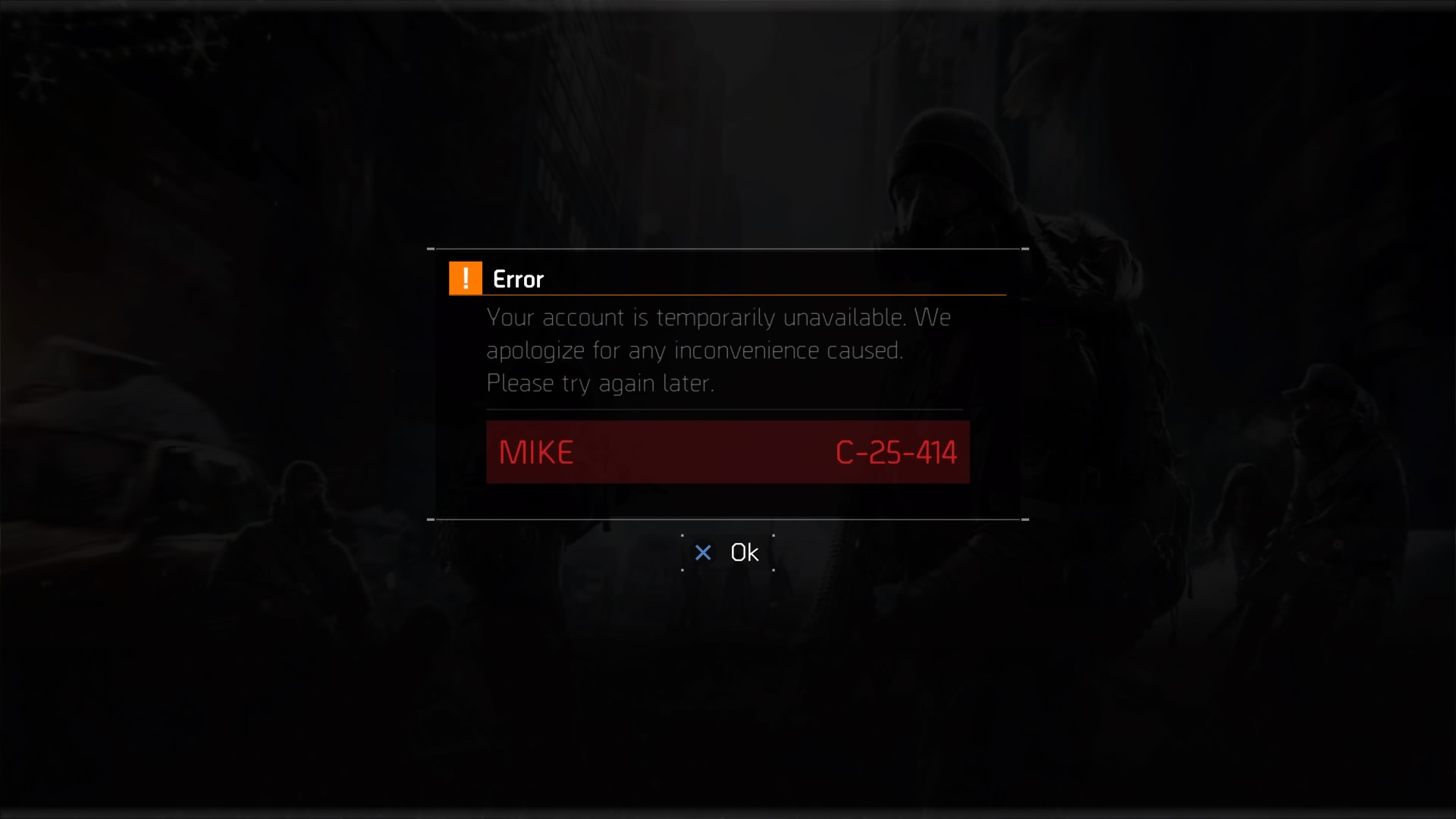
Tom Clancy’s The Division – the downside of Server side gaming
Hazards and delays avoided
Heavy or cumbersome hand luggage
Travel document misplaced
Gadgets misplaced
Fast steady pace walk pass all NPCs
(In real life - families, groups,tourists,
airport staff walking the opposite way and
folk who arrived early)
Shopping queues
No window shopping
No phone calls
No App checking
No SMS or VoIP
No other players
...single player runs are definitely faster
Mission accomplished – Side effects
Elevated blood pressure
Massive adrenaline surge
No time to think
No last minute detours
Hight chance of verbal conflict
Countermeasure
Arrive 2 hours ahead of time.
(Problem: 4 out 5 EasyJet flights delayed)
ABSOLVER – Time to relax
Chaos can raise its head rapidly. Are you prepared?
Winter version is similar with the added bonus of being able to use your coat to conceal a second carry-on bag avoiding the additional fee….whoops, did I say that out loud.
On reflection, I now crave the simplicity of my life in the 90’s. The flow of data was slower, less widespread and simpler to secure as not many people knew it was there in the first place.
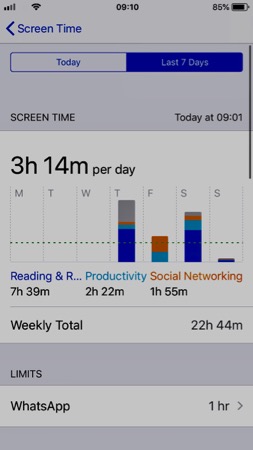
Today, we are swimming in data flows and everyone is their own system administrator. iOS Beta 3 is now available, I can’t see the differences but no doubt the vendor is crunching an exabyte of test device data. I’m still hooked on the Screen Time application.
I’m part of the generation that didn’t realise what it actually meant to push all end-users to be Network-centric and eventually dependent. Now, turn off the Network and all hell breaks loose. The option to live an offline digital life is now cumbersome, awkward and attracts suspicion as to why you are “not online”.
Data availability
28 years ago I knew users would have to be on the network to make data availability work, now I realise that helping to create that dependency was a mistake. And like South Londoner, Michelle Wallen sang so wonderfully as Pica Paris “I Should’ve Known Better”.
Back in days of the BootLeg
Of course, it creates a nice arena for Data Privacy specialist like me.
With many of critical ventures in progress, I’ve decided to backpedal and consider my end-games. What am I actually trying to achieve and when? Painting the end-game has served me well in the past but it’s not quite a routine habit as I’m pulled into new, interesting situations and often move forward on sheer enthusiasm.
Everything that has a beginning has an end
Defining the end is something I think we naturally avoid, end of life for devices is usually clearly identified by the manufacturer. The vendor will have a specific future date when they will no longer support the hardware or software and you are on your own “when” it fails.
End of actual Life is seldom contemplated as we hate to consider our own mortality, and Last Will and Testaments are pushed to the bottom of our do-lists until we are told by a medical professional to “put our affairs” in order.
I haven’t worked out how to face this positively but will give myself some time to look at what I’m doing now and write my end-games by 1-Sept 2018.
Applying an End of life Care approach to Projects
I use cookies and similar technologies to collect and process personal data that monitors your activities and preferences.
I assume you accept this.



 Today, we are swimming in data flows and everyone is their own system administrator. iOS Beta 3 is now available, I can’t see the differences but no doubt the vendor is crunching an exabyte of test device data. I’m still hooked on the Screen Time application.